
GEMExpert: Are We Ready for More Environmentally Friendly Funeral Practices that are more respectful of the environment?

What if, tomorrow, we adopted more environmentally friendly funeral practices? The Local Sustainability Transition and Well-being Chair at GEM surveyed 585 people to better understand how they feel about this sensitive issue. The result: people appear open to change.
Interview with Fiona Ottaviani, Associate Professor at GEM and Co-holder of the Local Sustainability Transition and Well-being Chair.
Interview
Questioning our funeral rites in the name of the environment, isn’t that going a bit too far?
Fiona Ottaviani: The topic is certainly innovative. But it is neither incongruous nor taboo: the SAF, the main professional union of the funeral industry, devoted a study of around one hundred pages to it in 2024. It shows, for example, that a burial emits on average 620 kg of CO2, while a cremation emits 649 kg: the equivalent of one month of emissions for a person living in France. The climate crisis is pushing us to rethink all our practices, including those related to death. The time has come to put this issue on the table.
What alternatives exist to burial and cremation?
F.O.: We discuss three in the survey. They are not currently authorized in France but are being tested in other countries: terramation, or the transformation of the body into humus; aquamation, which consists of placing the body in hot water containing agents that facilitate its dissolution; and promession, where the body is placed in liquid nitrogen before being dispersed into fine particles.
How do respondents perceive these alternatives?
F.O.: They are not widely known: 37% of respondents have heard of terramation, 8% of promession, and 3% of aquamation. However, if terramation were authorized tomorrow, 21% of respondents would choose it for themselves without hesitation, and 31% after learning more about it. By contrast, if they had to decide for a loved one, support would be lower: participants tend to prioritize the wishes of the deceased over their own opinion.
Does the environmental argument lend credibility to these new practices?
F.O.: It clearly plays a role. 78% of our respondents believe it is important to extend their environmental protection efforts to their funeral arrangements. And 49% say that environmental criteria matter in their choice of burial method. Similarly, the level of support for terramation can be linked to the fact that our panel considers it the most environmentally friendly burial method, far ahead of cremation and burial. We therefore sense a real openness on this issue.
How can these findings help move practices forward?
F.O.: Our survey aimed to contribute to a debate rather than provide recommendations. However, I take away two interesting points that could support this evolution. First, perceptions of the sacredness of the body differ depending on religious beliefs, which highlights the need to integrate this diversity of sensitivities into the evolution of funeral practices. Second, across all belief systems, 61% of our panel would already be in favor of terramation for pets. Legislative openness on this issue could therefore help shift attitudes.
The publication
Ottaviani, F., Verger, N. (2026), Ecological Funeral Practices, Local Sustainability Transition and Well-being Chair, GEM-Grenoble Alpes Métropole-ADEME.
Bio Express
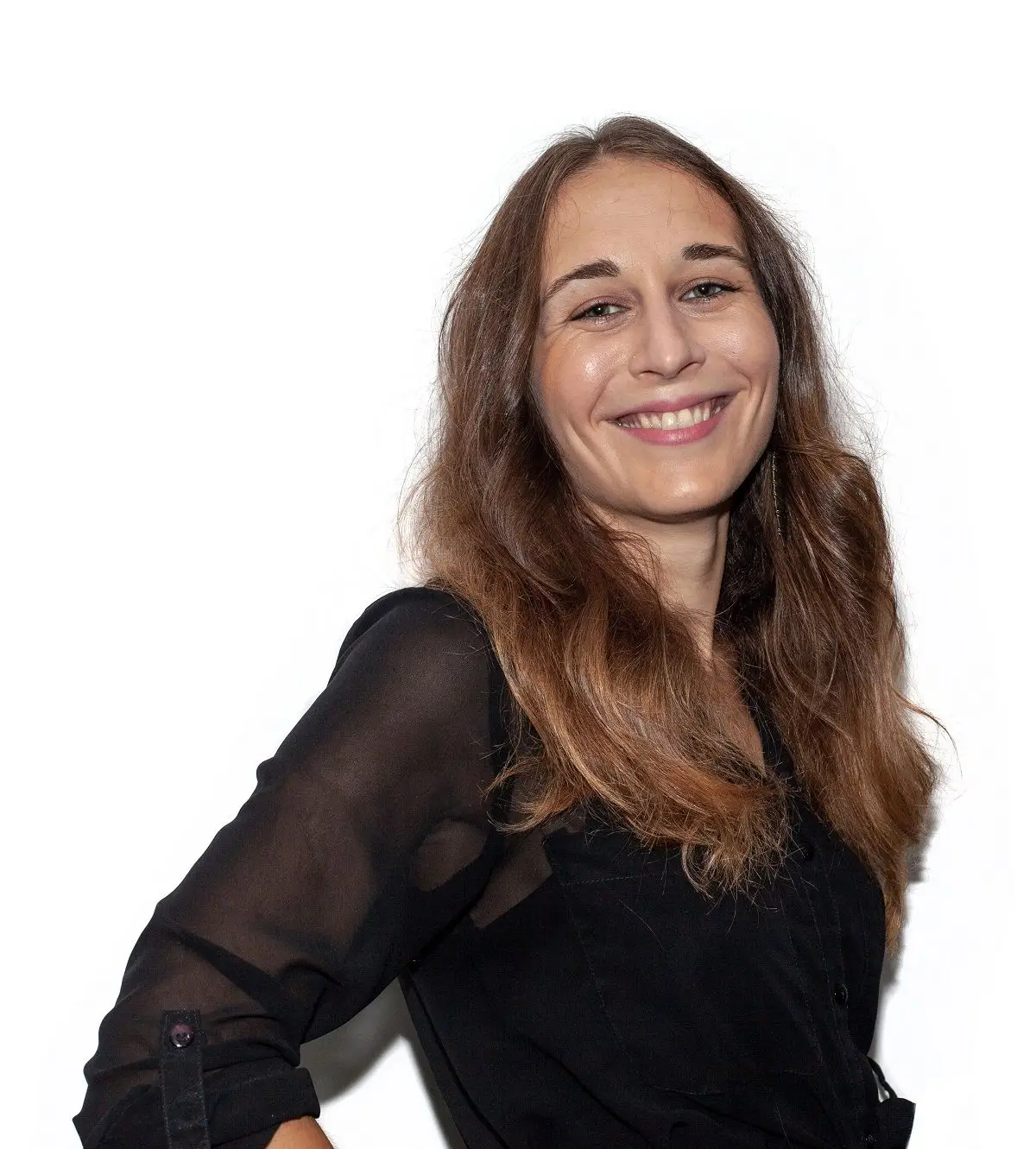
Fiona Ottaviani
Fiona Ottaviani, PhD in Economics, researcher in the Alternative Forms of Markets and Organizations research team, is co-holder of the Local Sustainability Transition and Well-being Chair at GEM. Her research focuses on the transformation of rationalization, action and evaluation logics in public policies and organizations. She is particularly interested in the development and use of well-being indicators. Her work contributes to rethinking collective dynamics in favor of the socio-ecological transition, the role of experts in knowledge production and territorial synergies.