


Education and Training
The Local Sustainability Transition and Well-being Chair at Grenoble École de Management bridges impact-driven research and education, across both degree programmes and executive education. Through courses, pedagogical projects, serious games and case studies, the Chair equips students and professionals to address ecological, economic and social transitions within local systems.
Presentation
The Local Sustainability Transition and Well-being Chair bridges impact-driven academic research and initial and executive education through the development of innovative teaching projects, course modules, serious games, case studies, master’s theses, and pedagogical contributions.
Academic programs
The Chair actively contributes to a wide range of educational programmes and learning modules dedicated to socio-economic and environmental transitions, with a strong focus on sustainability, well-being, and place-based action.
MSc Management for Sustainability Transition
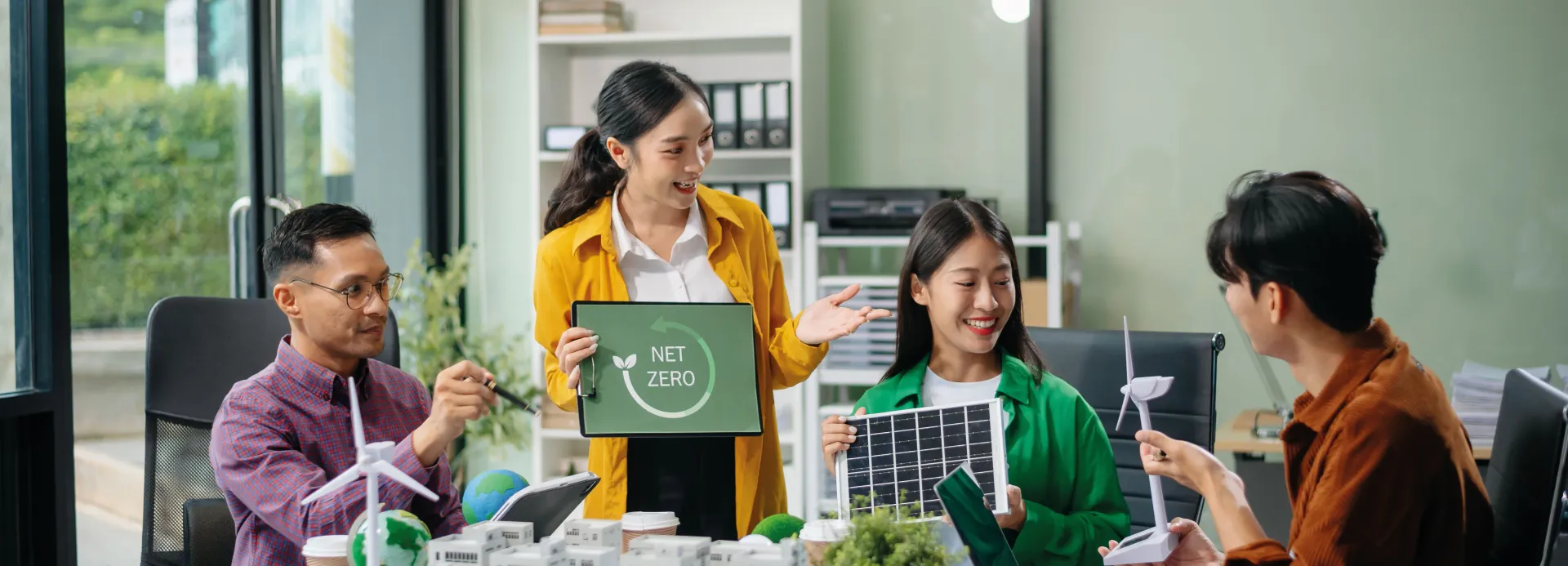
The MSc in Management for Sustainability Transitions prepares students to lead transformational change in companies, public organisations and non-profit institutions, with the objective of advancing systemic sustainability. The programme equips future managers with analytical, strategic and operational skills to address complex transition challenges.
MSc Management of Sports and Outdoor Markets
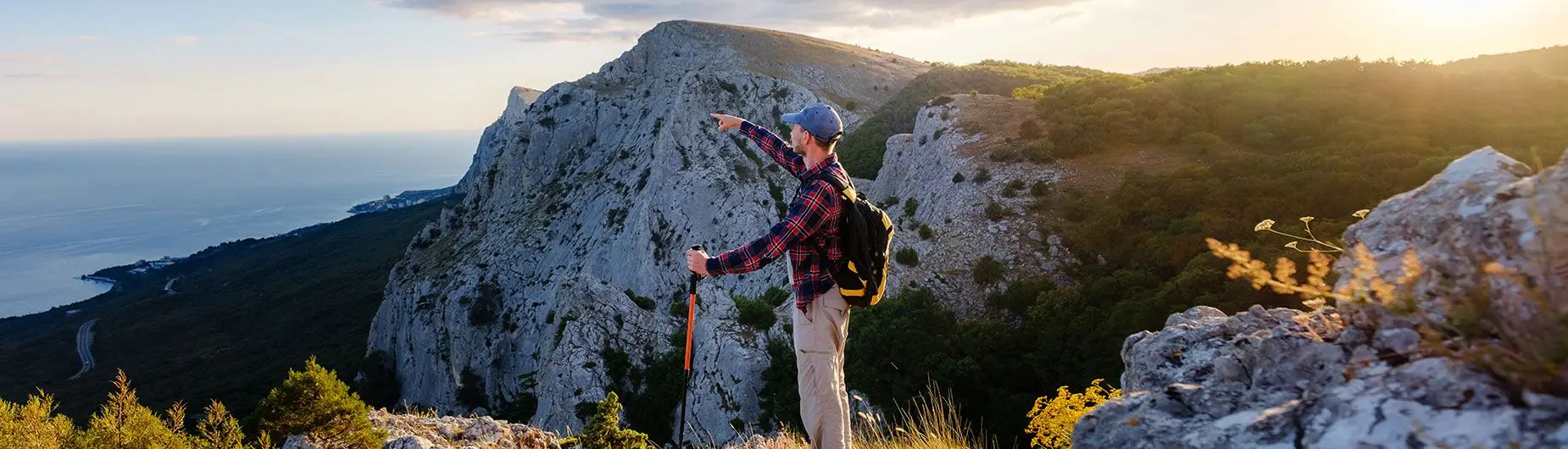
This programme trains future managers in the sports and outdoor industries to become architects of transformation in rapidly evolving sectors. It enables students to anticipate major trends, foster sustainable growth, and innovate within an international ecosystem shaped by environmental and social transitions.
The students of this MSc produced an Explorers’ Notebook – 2025 [LINK]. This work explores nine emerging signals in the sports and outdoor sectors. The articles, written in either French or English depending on the students’ academic tracks, offer distinctive and inspiring perspectives.

Bachelor in Management
This three-year programme trains versatile managers capable of working across sectors and business functions. It emphasises experiential learning, international exposure, digital culture and field-based projects, helping students build a solid and meaningful professional pathway.
Executive Education
The Chair contributes to lifelong learning and executive education through expert-led sessions, the design of Learning Expeditions in partnership with the TIM Lab, and the development of educational resources such as serious games, case studies and online resource centres.
Learning Expeditions
A Learning Expedition is an immersive learning format that enables organisations to step outside their usual environment to explore, learn from, and co-create within a different ecosystem. At GEM, through the innovation campus GEM Labs, these programmes take the form of 1–2 day in-company learning journeys based on immersion, experiential learning and collective reflection.The Chair contributes its expertise on sustainability transitions, thematic structuring and strong connections to local socio-economic ecosystems.
Teaching Contributions
Training Modules
ST101 – Sustainability Transition in international business
The Chair designed and leads an original immersive training module, ST101, dedicated to organisational challenges related to sustainability. This module aims to equip all GEM students with a strong understanding of sustainability issues from a business and management perspective and can also be adapted for professional training within companies.
ST101 is the result of a co-innovation process between GEM, Wonda, rev(e) studio, Tessi and Rossignol.
This pedagogical innovation received an AACSB “Innovations That Inspire” Award in 2024.
Case Studies
Teaching case studies
The Chair seeks to capitalise on concrete and inspiring initiatives by developing pedagogical case studies for students and partner organisations.
Impact Contracts Case Study
Impact Finance and Performance Measurement
This teaching case on impact contracts, exploring impact finance and performance measurement, was developed by Eléonore Lavoine in collaboration with the Fédération Léo Lagrange. It was tested with students at GEM and other higher education institutions.
In 2024, the case received the “Coup de cœur” Award from RIODD/CCMP (in French).
French Red Cross Case Study
This case study focuses on social impact assessment and bottom-up approaches. Developed in partnership with the French Red Cross, it places learners in a real-life situation involving the challenges of large-scale participatory evaluation.
Designed by Fiona Ottaviani within the Chair, the case received the RIODD–CCMP–Excelia Award in 2022 (in French).
Serious Games
The serious games developed by the Chair, in collaboration with the GEM Labs Playground and partner organisations, are designed for both initial education and professional training of local and community-based actors.
Shared Place Game
How can a single place accommodate multiple uses? Fab lab, library, community centre—one space, many functions. But how can coexistence be organised?
This serious game, currently under development, immerses participants in real-world dilemmas: How can space be shared across different uses, audiences or timeframes? How can local needs be addressed? How can trade-offs be made between service delivery, citizen participation and political constraints? The game aims to raise awareness and train practitioners on shared and multi-use spaces.
Good Living Together Game
This game is part of an immersive and innovative educational approach, engaging students, citizens and local authorities to generate concrete collective project ideas that reduce environmental impacts. It promotes sobriety, efficiency and decarbonisation, while explicitly linking these objectives to well-being through the use of the Spiral approach (in French). The game unfolds in several stages. First, households measure the environmental footprint of their lifestyles. Then, neighbours collaboratively design projects to reduce impacts and improve collective well-being. Initiated by Renoveco and the Together network, the game is primarily led by Samuel Thirion and Benoît du Crest. GEM students produced a presentation video of the game.
Tools to Engage a Broad Audience on Well-being
To support large-scale engagement with well-being and sustainability issues, the Well-living Resource hub (in French) brings together games, facilitation tools, videos, exhibitions, graphic novels and reading resources. These materials can be used across a wide range of educational and training formats.